On 27 and 28 May, several members of WG3 on Local Peace within the PEACE Action participated in aworkshop on arts-based practices and their connection to local peace. Researchers from diversebackgrounds came together to explore these practices through co-creation sessions and reflectionon concrete examples. The workshop took place in Sarajevo, a city still grappling with how to addressits violent past. Local participants from the arts and education sectors also shared their experiencesand insights. As participants, we asked ourselves: what did we take away from these two days?
An embodied exploration of arts-based practices
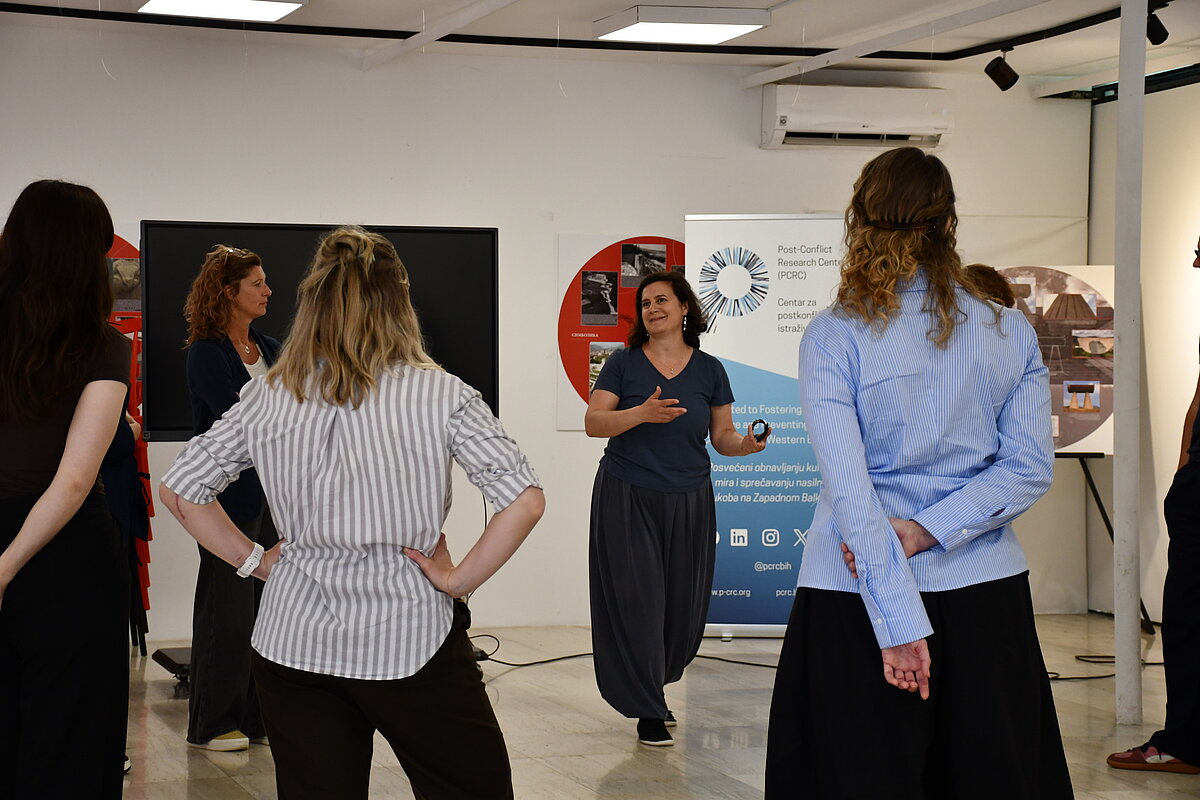
he workshop opened with an embodied improvisation exercise rooted in theatre practice, offeringan introduction to the diversity of arts-based methods. Participants were asked to bring an objectthat represented (local) peace to them. This object became the starting point for both individual andcollective imagination, for exploring space through the body, and for reflective writing inspired bythe concept of transformation.
For many, this was a new way of thinking and working. People engage with arts-based practices indifferent ways: what resonates with one person may challenge another. Openness, attentiveness,and sensitivity to the group dynamic proved essential. It was inspiring to see how everyone foundtheir own way to participate, even when stepping outside their comfort zones.
Arts-based practices and research
This embodied introduction led to broader discussions about the role of arts-based practices. Whatare our aims in using them? How can they be integrated into research? Why are different forms ofknowledge production (academic, artistic, curatorial) valued differently? And how do we move frominformal, context-driven practices to more structured methodologies?
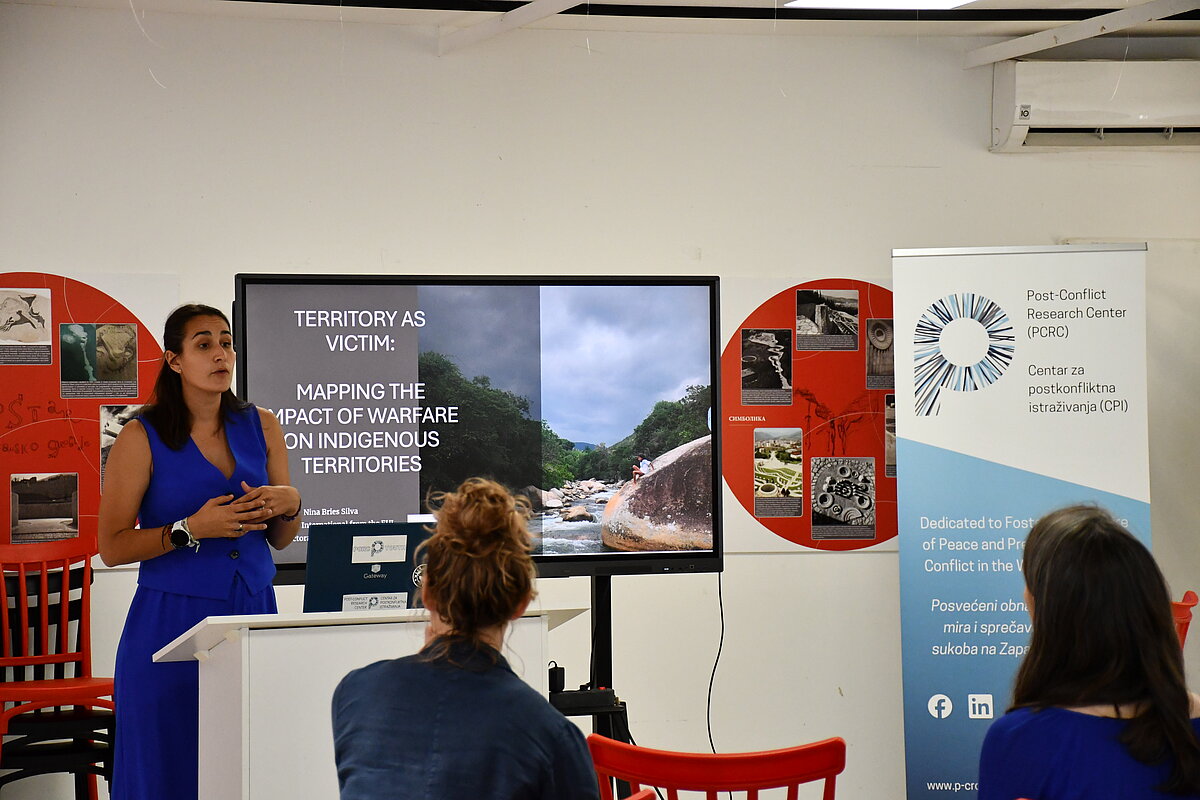
Arts-based practices can serve multiple purposes in research: as tools for collecting data, analyzing it,or communicating findings, or all of these at once. Through presentations of their own work,participants explored these different dimensions. Examples highlighted the power of visual languagein imagining peace, and how art enables us to bridge differences and express what may otherwisebe difficult to articulate.
Sarajevo: a meeting place of history and culture
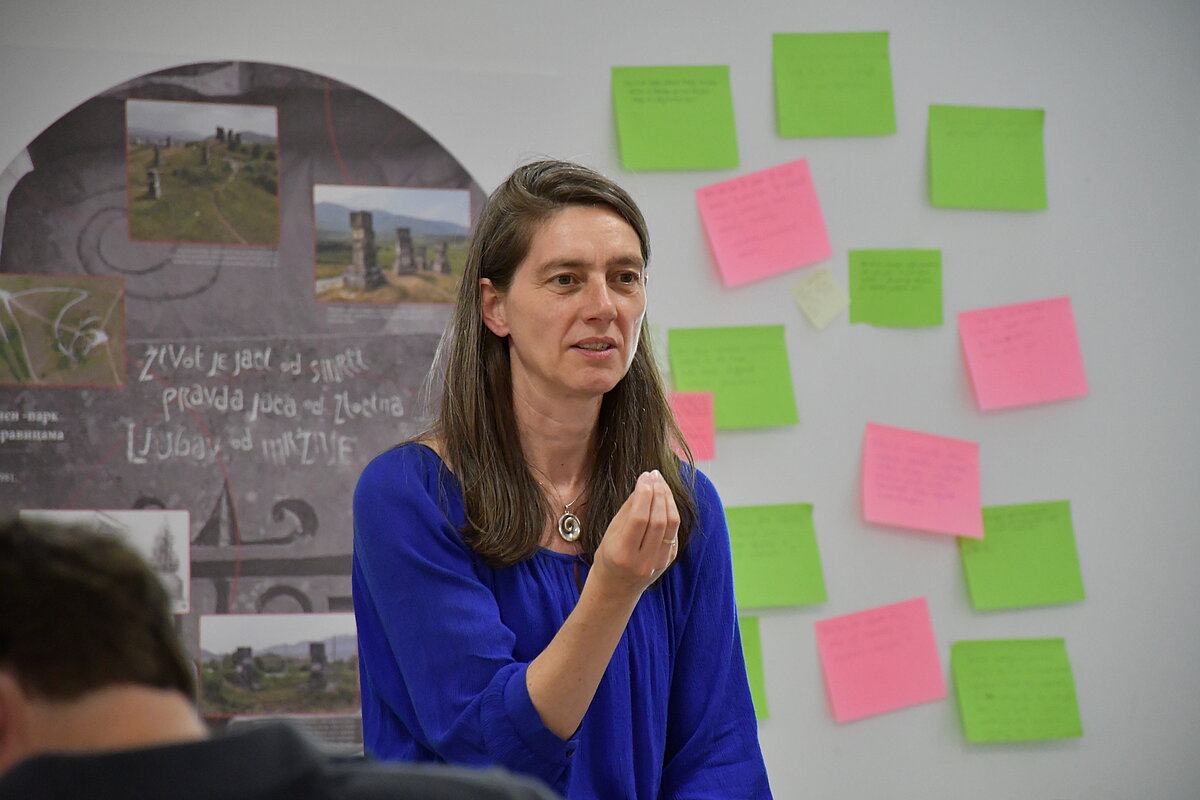
The workshop was held at the History Museum of Bosnia and Herzegovina, an especially fittinglocation. Sarajevo, shaped by a recent history of war and violence, provided a powerful context.Participants learned about the war through the experiences of ordinary people and gained insightinto how, often with the help of art and artists, they continued their daily lives under extremeconditions.Representatives of local peacebuilding organizations emphasized the role of art in facilitatingconversations about a painful past, both in educational settings and outside of them. Despite adeteriorating political climate and increasing polarization, they remain committed to bringing peopletogether and countering division and segregation.
What comes next?
The workshop also provided space to reflect on how to better communicate the value of arts-basedpractices to policymakers. Key points included the need for recognition of these approaches, long-term funding mechanisms, and support for relational and co-creative processes, as well as buildingon existing projects and collaborations
At the end of the workshop, participants shared a strong sense of community. Many left with newquestions and inspiration for their own work. In a time when results are often expected to betangible and economically measurable, these two days offered a sense of hope. They reminded usthat the research process itself is meaningful and central to academic work—even if that value is notalways easy to quantify.
PEACE Webinar Series
The Working Group on Local Peace, and particularly the Sarajevo workshop participants andfacilitators, will discuss the workshop’s findings during the upcoming PEACE webinar “Arts-BasedPractices and Local Peace” on 9 June 2026, starting at 12:00 (CET). More information about thewebinar, including the registration link, is available here:
https://tuni.zoom.us/meeting/register/LP1ab0QASvuLjujJMzHMUA#/registration
written byMerel Selleslach and Ilaria Tucci